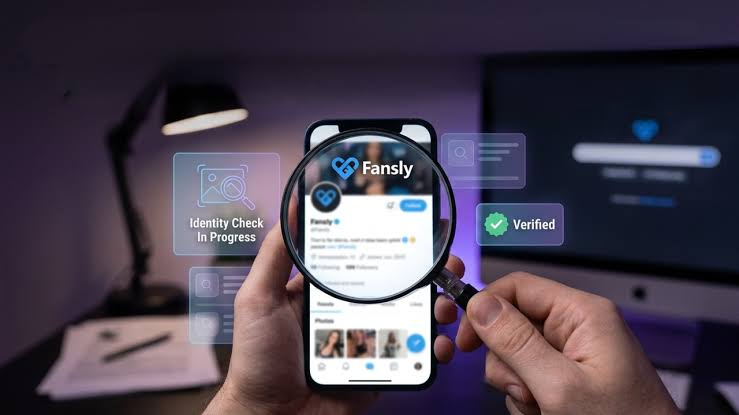
Why Online Safety Requires More Than a Profile
The internet has made it easier to meet people, build relationships, and communicate across long distances. Social media and dating platforms allow users to create profiles within minutes, often using photographs as the main representation of their identity. While this convenience has many advantages, it can also make it difficult to determine whether an online profile accurately represents the person behind it.
Fake identities, copied photographs, catfishing, outdated images, and misleading personal information can create problems for people who are developing online relationships. These concerns are particularly important when someone is preparing to meet an online acquaintance in person.
One way to gather additional information is through visual profile investigation. A Facebook reverse image search can help users examine a profile photograph and look for potential social-media connections. Face2social supports profile-photo analysis across Facebook, Instagram, X, and TikTok, providing another source of information when evaluating an unfamiliar online identity.
The Importance of Checking Profile Photos
A profile photograph can be more than a simple introduction. Many people reuse their favorite image across multiple social-media accounts, making the photograph a potential clue when comparing online identities.
If the same image appears across several profiles with consistent names and information, that may simply indicate that the accounts belong to the same person.
However, an image appearing under another name or alongside significantly different information may deserve further investigation.
A Facebook reverse image search provides a way to start this type of investigation. Instead of relying only on usernames or profile descriptions, users can examine the image itself and consider what other information may be associated with it.
How Face2social Supports Safer Profile Checks
Face2social is designed to analyze profile photographs across Facebook, Instagram, X, and TikTok. This makes it useful for people who want to investigate an unfamiliar profile image across supported social-media platforms.
For example, someone may meet a new romantic interest through an online dating service. The conversation may feel genuine, but the person may want additional confidence before becoming emotionally invested or arranging an in-person meeting.
A profile photograph can serve as a starting point for investigation. Face2social can analyze the image and help identify potential social-media matches that can then be compared with the information provided by the online contact.
This process does not replace communication or personal judgment. Instead, it provides another layer of context.
Spotting Potentially Misleading Photos
One reason to investigate a profile photograph is the possibility that the image does not belong to the person using it.
A fake account may use a photograph copied from a genuine social-media profile. The person shown in the image may have no connection to the dating or social-media account using their photograph.
If a visual search reveals a potential alternative identity, take time to compare the information carefully.
Look at the photograph, names, other profile images, and available details. Face2social can help analyze profile photos across Facebook, Instagram, X, and TikTok, giving users additional information to consider.
A different name does not automatically prove that someone is dishonest. The result should be treated as a clue that requires context.
Recognizing Catfishing Risks
Catfishing involves presenting a deceptive online identity, often through the use of someone else’s photographs and fabricated personal information.
The problem can be especially difficult in online dating because emotional trust can develop before people meet face-to-face. A person may communicate consistently, share personal stories, and appear emotionally invested.
Visual profile checks can sometimes help identify information that deserves closer attention.
If the photograph associated with an online match appears under a different identity, it may be wise to slow down before continuing to build trust.
A Facebook reverse image search does not automatically identify a catfish. Instead, it can provide information that becomes useful when combined with conversations and other profile details.
Reused Images Are Not Always Suspicious
It is important to remember that people frequently reuse their own photographs. Someone may have the same profile image on Facebook, Instagram, X, and TikTok simply because they like the photograph.
An old social-media account may also contain an image that is still being used elsewhere.
Therefore, finding the same photograph on multiple platforms should not automatically lead to suspicion.
Instead, consider whether the information is consistent. Similar names, locations, interests, and other profile details may indicate that the accounts are connected legitimately.
The purpose of image searching is to identify useful patterns, not to make assumptions based solely on a photograph.
Looking Beyond Outdated Dating Photos
Outdated photographs can also create confusion. Someone may use a picture from several years ago because it remains their favorite image.
Although this is not necessarily fraudulent, it can create unrealistic expectations before an in-person meeting.
Examining other profile photographs may help provide context about the image’s age and whether the person has more recent photographs associated with their online presence.
This kind of investigation should remain focused on identity consistency rather than appearance. The goal is to know who you are communicating with and whether the information presented online is reasonably accurate.
Comparing Information Across Profiles
A visual result becomes much more useful when combined with other information.
Suppose a potential social-media profile appears using the same photograph. Compare the name, location, occupation, interests, and other available information with the details provided by the person.
Some differences are completely normal. A person may use a nickname, move to another city, change jobs, or leave an old account online.
However, several major contradictions may justify further questions.
When using a Facebook reverse image search, focus on patterns instead of isolated differences. A single discrepancy rarely tells the entire story.
Protecting Yourself From Romance Scams
Online identity checks can be particularly valuable because romance scams often depend on fake or misleading profiles.
A scammer may spend time building trust before introducing a financial request. They could claim to need help with travel, medical expenses, an emergency, family problems, or an investment.
Never send money or provide sensitive financial information simply because someone has developed an emotional relationship with you online.
If suspicious photographs appear alongside inconsistent stories, pressure, secrecy, or financial requests, take those warning signs seriously.
A visual search cannot prevent every scam, but it can be one useful part of a broader safety strategy.
Responding to Suspicious Search Results
Finding an unexpected profile match can be unsettling. However, the best response is careful investigation rather than immediate confrontation.
First, make sure the photographs are actually the same. Then examine the potential profile for additional information.
Consider whether it might be an old account or whether the person could legitimately use a different name online.
If you feel comfortable, ask the person about the discrepancy. Their response may help clarify the situation.
A genuine explanation may resolve the concern. On the other hand, repeated contradictions, evasive responses, or pressure to stop asking questions may indicate that you should reconsider the relationship.
You are always allowed to slow down or end an online interaction.
Understand the Limits of Reverse Image Searching
A Facebook reverse image search is a useful supporting tool, but it should not be treated as definitive proof of identity.
A potential visual match does not automatically mean that two accounts belong to different people. Genuine users can reuse the same photographs across multiple accounts.
Likewise, no match does not guarantee that a profile is authentic.
Face2social should therefore be used alongside other forms of reasonable verification. Conversations, video calls, consistent profile information, and respectful behavior all provide additional context.
Using multiple sources of information is generally more reliable than depending on a single search result.
Combine Visual Checks With Practical Safety
Staying safer online requires more than investigating photographs. Before meeting an online connection, consider having a video call and choosing a public location for the first meeting.
Tell someone you trust about your plans and maintain control of your transportation.
Protect your personal information as well. Avoid sharing passwords, banking details, identification documents, or your exact home address with someone you have recently met online.
If a person refuses to respect your boundaries or pressures you to move faster than you are comfortable with, treat that behavior as a warning sign.
Let Trust Develop Over Time
Trust does not need to be immediate. Genuine relationships can develop gradually as people demonstrate consistency and respect.
Someone who is honest about their identity should generally understand why another person might want to verify basic information before meeting.
Face2social can support this process by analyzing profile photos across Facebook, Instagram, X, and TikTok. The information can be considered alongside conversations and other signs of authenticity.
The objective is not to treat every online acquaintance as suspicious. It is to make decisions based on enough information to feel comfortable and informed.
Conclusion: Make Visual Checks Part of Online Safety
Online relationships can be rewarding, but fake identities and misleading photographs can create unnecessary risks. Taking time to investigate unfamiliar profile photos can provide additional context before placing significant trust in an online connection.
A Facebook reverse image search can help users examine profile photographs and identify potential social-media connections. Face2social analyzes profile photos across Facebook, Instagram, X, and TikTok, giving users another resource for evaluating online identities.
However, visual search results should always be interpreted carefully. A match is a clue rather than definitive proof, while no match does not guarantee that an account is genuine.
By combining image checks with consistent communication, video calls, privacy protection, financial caution, and safe meeting practices, users can take a more informed approach to online relationships. Staying cautious does not mean avoiding online connections; it simply means giving trust time to develop while using available information responsibly.